
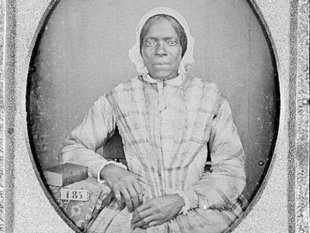
Women did not exist at the dawn of colonial America. That is to say, from a legal perspective, they had no existence apart from their husbands’. They mostly couldn’t own property. They couldn’t inherit. Their babies did not belong to them, and neither did their bodies. They were chattel, much like a cow or a utensil.
Some of the first white women to set foot in Virginia were placed on auction blocks and sold for tobacco. Men paid the London Company for these “ tobacco brides” and walked away with a combination sexual partner/farm worker. Other colonial women —as many as 75 percent of the early Chesapeake white female population — came to America (sometimes through kidnapping) as indentured servants who performed rough work for masters who might prefer to see them die rather than pay them at the end of servitude. Indentured women could not marry, and were subject to sexual exploitation.
Some colonial women, particularly in New England, were executed as witches, while others were tortured through public whippings or even the “ scold’s bridle,” an iron mask developed during medieval times which featured a spike that prevented the wearer from speaking (it was later incorporated into slavery). Native American women, whom white men perceived to be sexually available, were accordingly targeted for molestation and violence. In any conflict, rape was a strong possibility: During the Revolution, the Philadelphia City Council warned of British soldiers bent on raping wives and daughters.
The worst oppression of all was reserved for African women brought to the colonies on slave ships, where many suffered rape by sailors long before their arrival. On top of the gender and class biases already directed against women, they got hit with developing racial prejudice. The year 1662 turned their fate bitter for centuries to come when colonial slave law broke from English precedent and set forth that all children born to enslaved mothers would follow the condition of their mother regardless of paternity. This made the paternity of the women’s child legally irrelevant. Slavery could now pass from one generation to the next, and the de-emphasis on paternity threw open the door to rape. Breeding programs may have forced women to become pregnant by enslaved men, overseers, or slave owners.
More from Alternet
Posted by The NON-Conformist
 TheConfirmationFiles